



Table of Contents
- Why Buying Dog Clothes Online Requires a Different Approach
- How to Measure Your Dog for Clothes: The Complete Guide
- Best Materials for Dog Clothing: Quality That Lasts
- Reading Size Charts and Deciding When to Size Up
- Dog Clothing Fit and Comfort Check: What to Look For
- Seasonal Clothing Needs: From Raincoats to Sweaters
- Acclimating Your Dog to Wearing Clothes and Proper Care
- Budget vs. Quality: Understanding Premium Pricing
- Frequently Asked Questions
Last Updated: October 5, 2026
Why Buying Dog Clothes Online Requires a Different Approach
Shopping for dog apparel online presents unique challenges that in-store shopping doesn't. You can't feel the fabric's softness or drape. You can't see how a garment actually fits your specific dog's body.
The difference between a purchase you'll love and one that ends up in a drawer comes down to a few critical steps: understanding your dog's exact measurements, knowing which materials actually hold up, and recognizing the signs that a fit isn't working.
This guide walks you through everything you need to know about buying dog clothes online. We'll cover how to measure accurately, which fabrics perform best, how to read size charts, and what to watch for when your new apparel arrives.
How to Measure Your Dog for Clothes: The Complete Guide
The single most important step in buying dog clothes online is getting accurate measurements. Without them, even the best-designed piece will fit poorly.
Start by gathering a soft measuring tape. A fabric measuring tape works best because it won't hurt your dog if they move suddenly. Have treats ready to keep your dog still and calm during the process.
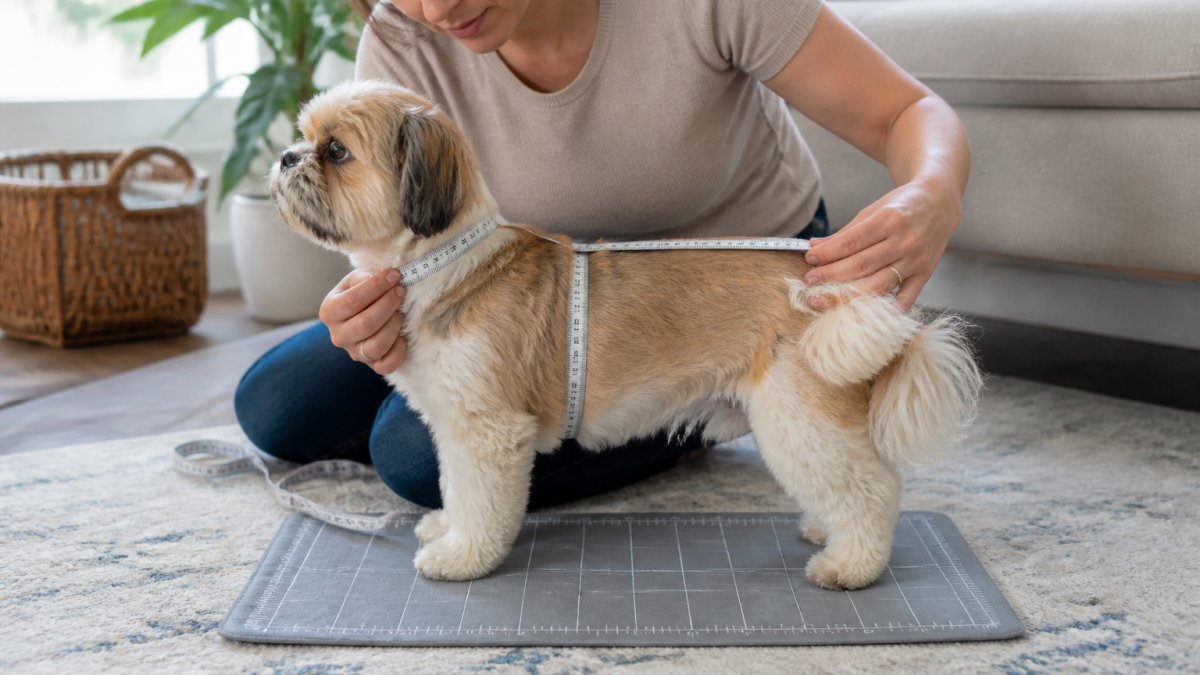
Essential Measurements: Neck Girth, Chest Girth, and Back Length
Three measurements form the foundation for proper fit: neck girth, chest girth, and back length.
Neck girth is the circumference around your dog's neck where a collar would sit. Measure snugly but not tight, you should fit one finger between the tape and your dog's neck.
Chest girth is the circumference around the widest part of your dog's chest, just behind the front legs.
Back length runs from the base of your dog's neck to the base of the tail. This ensures the garment covers your dog's back without hanging too long or sitting too short.
Write down all three measurements in inches. Round to the nearest quarter inch for accuracy.
Breed-Specific Sizing Challenges
Some breeds present unique sizing puzzles. A Dachshund has a long back and short legs, so standard measurements don't always capture the fit challenges. A Pug has a wider chest relative to its neck, which means a snug neck might mean a loose chest.
Measure your specific dog rather than relying on breed averages. Two dogs of the same breed can have dramatically different proportions. One dog might have a narrow chest and thick neck. Another might be the opposite. Your measurements are the only reliable guide.
If your dog falls between sizes, check the brand's specific sizing chart before deciding whether to size up. Some brands run small. Others run large. The chart tells you which direction to go.
Best Materials for Dog Clothing: Quality That Lasts
The fabric matters as much as the fit. Poor materials pill, shrink, or fall apart after a few washes. Premium materials keep their shape, color, and softness through repeated wear and cleaning.
Natural Fibers: Cotton, Angora, and Bamboo
Cotton is breathable and gentle on skin. It's ideal for warm weather apparel and dogs with sensitive skin. The downside: cotton can shrink if washed in hot water and may pill with heavy use.
Angora is exceptionally soft and warm. It's perfect for winter sweaters and cold-weather protection. Angora holds warmth better than cotton. Our Angora Mermaid Pink sweater combines a 70% Angora and 30% nylon blend for durability and comfort. The lightweight knit provides warmth without bulk, and the curved bottom with ribbed band keeps the fit secure.

Bamboo is naturally hypoallergenic and moisture-wicking. It's softer than cotton and gentler on sensitive skin. Bamboo also regulates temperature better than synthetic fibers, keeping your dog comfortable in variable weather.
Synthetic Blends and Durability
Synthetic blends like acrylic offer durability that pure natural fibers sometimes lack. Acrylic is warm, resists shrinking, and holds color well through repeated washing. It's an excellent choice for everyday wear and frequent laundering.
The best apparel combines natural and synthetic fibers. A 70% Angora and 30% nylon blend gives you the softness of natural fiber with the durability of synthetics. Our Moose Checker sweater uses 100% acrylic double knit for a warm, cozy feel that maintains its shape wash after wash.

Look for materials that resist pilling, don't shrink excessively, and feel soft against your dog's skin. Read care instructions carefully, some premium fabrics require hand washing or lay-flat drying to maintain quality.
Reading Size Charts and Deciding When to Size Up
Size charts vary wildly between brands. One brand's medium might be another brand's large. Always check the specific chart for the piece you're buying.
Most size charts include columns for neck girth, chest girth, and back length. Match your dog's measurements to the chart row. If your dog's chest girth falls between two sizes, look at the back length.
Size up if your dog is between sizes and the chart shows the smaller size would be snug. A slightly loose fit is better than one that's restrictive.
Consider your dog's body shape too. A dog with a thick chest but narrow neck might fit better in a size up.
Dog Clothing Fit and Comfort Check: What to Look For
When your apparel arrives, do a fit check before considering it final. A proper fit balances comfort, mobility, and coverage.
The garment should sit snugly against your dog's body without gaps or bunching. You should fit one finger between the fabric and your dog's skin at the neck and chest. The back length should cover from neck to tail without dragging on the ground.
Signs of Distress and Restrictive Fit
Watch for signs that the fit isn't working. A dog that struggles to walk, limps, or refuses to move might be wearing something too tight. A dog that scratches constantly or chews at the garment might experience chafing or skin irritation from rough seams or restrictive fabric.
Check the neck area carefully. If the neckline causes your dog to cough or gag, it's too tight. Redness or hair loss around the neck indicates chafing. These are signs to size up or try a different style.
Similarly, examine the chest and underarms. Tight armpits restrict movement and cause chafing. The fabric should allow full range of motion without pressing into the skin.
Mobility and Movement
Your dog should be able to walk, run, and play normally while wearing apparel. If your dog moves stiffly or avoids certain movements, the fit is too restrictive.
Let your dog play in the new garment for 10-15 minutes under supervision. Watch how they move. Do they run and play normally? Do they seem uncomfortable? A good fit lets your dog forget they're wearing something.
Some dogs need an acclimation period. Even a well-fitting garment might feel strange at first. Give your dog a few days to adjust before deciding it doesn't work.
Seasonal Clothing Needs: From Raincoats to Sweaters
Different seasons call for different apparel. Understanding what your dog actually needs prevents overbuying and ensures comfort year-round.
Winter sweaters provide warmth during cold months. Angora and acrylic blends work best. Our Chevron Black vintage-inspired coat offers timeless style with practical warmth for cold-weather walks.

Raincoats protect during wet weather. Look for water-resistant or waterproof materials with secure fasteners like velcro or zippers that won't come undone during active play.
Summer apparel focuses on breathability and UV protection. Lightweight cotton or bamboo pieces keep your dog cool without overheating. T-shirts provide sun protection during outdoor activities.
Transitional seasons (spring and fall) call for lightweight layers. Our Prince Pima cotton t-shirt features ultra-soft Pima cotton with cute embroidered designs.
Acclimating Your Dog to Wearing Clothes and Proper Care
Not every dog loves wearing apparel immediately. Some take to it naturally. Others need time and encouragement.
Using Positive Reinforcement for New Apparel
Start by letting your dog sniff and inspect the new piece. Don't force it on them. Let them get comfortable with how it looks and feels.
Put the apparel on for just a few minutes the first time. Immediately reward your dog with treats and praise. Keep the first wearing short and positive. Gradually increase the time as your dog adjusts.
Practice wearing the apparel indoors before venturing outside. Your dog will feel more confident in a familiar environment. Once they're comfortable at home, take short walks in the new piece.
Some dogs respond well to wearing apparel during play or mealtime. The positive association helps them view the garment as a good thing rather than a restriction.
Washing and Maintenance Instructions
Proper care extends the life of your apparel significantly. Always check the care label before washing.
Most dog apparel requires gentle cycle washing in cool water with like colors. Avoid bleach, which damages fabrics and can irritate sensitive skin.
Lay flat to dry rather than using a dryer. Heat can shrink fabrics and damage delicate materials like Angora. Air drying preserves the shape and integrity of the garment.
Machine washing on gentle cycle with like colors works for durable pieces like our Moose Checker sweater. Hand washing separately works best for premium pieces like the Angora sweater.
Store clean, dry apparel in a cool, dry place. Avoid plastic storage bags, which trap moisture. Use breathable fabric bags or open shelving instead.
Budget vs. Quality: Understanding Premium Pricing
Premium dog apparel costs more than mass-produced alternatives. Understanding what you're paying for helps justify the investment.
Handmade pieces cost more because skilled artisans spend hours crafting each item. Machine-made pieces are faster and cheaper, but lack the attention to detail and quality control.
Premium materials like genuine Ultrasuede and Angora cost more upfront but hold their quality through repeated wear and washing. Budget fabrics pill, fade, and deteriorate quickly.
At Aventura Pups, we use materials like genuine upholstery-grade Ultrasuede imported from Japan and Angora blends specifically chosen for durability and comfort.
A $30 t-shirt might seem expensive compared to a $10 mass-produced option.
Frequently Asked Questions
How do I accurately measure my dog for clothes?
Measure your dog's neck girth, chest girth, and back length using a soft measuring tape. For neck girth, measure around the base of the neck where a collar sits. For chest girth, measure around the widest part of the chest behind the front legs. Back length runs from the base of the neck to the base of the tail. Take measurements while your dog is standing naturally, and refer to the retailer's size chart to match these numbers to their sizing guide. Always round up if your dog falls between sizes.
What materials are best for luxury dog apparel?
Premium dog clothing uses natural fibers like Pima cotton, angora, and bamboo for breathability and comfort. Angora blends provide warmth without bulk, while cotton offers durability and softness. Upholstery-grade fabrics like Ultrasuede resist pilling and maintain their shape through multiple washes. Durable materials with quality stitching ensure your investment lasts through regular wear and washing.
What are signs my dog is uncomfortable in their new clothes?
Watch for excessive scratching, chafing around the neck, armpits, or legs, and restricted movement. Your dog should move freely without limping or stiffness. Avoid clothing that's too tight around the chest or creates skin irritation. If your dog is reluctant to move, repeatedly tries to remove the garment, or shows signs of stress, the fit is too restrictive. Use positive reinforcement to help acclimate your dog to new apparel, and allow short wearing periods at first.
Should I size up when buying dog clothes online?
Size up if your dog falls between sizes on the chart or has a deeper chest. Some breeds like dachshunds or corgis have longer backs and shorter legs, requiring careful measurement against the retailer's specific chart. If you're unsure, contact the boutique for guidance on their sizing before purchasing. Quality retailers offer returns or exchanges if the fit isn't right, so don't hesitate to ask about their policy.
Buying dog clothes online doesn't have to be frustrating. Get your measurements right, understand the materials, and know what to look for in a proper fit. At Aventura Pups, we specialize in premium dog apparel designed for comfort, durability, and style. Our handmade pieces use genuine Ultrasuede and quality blends that hold up to regular wear and washing. Explore our collection and find pieces that let your dog look beautiful while staying comfortable.
