



Table of Contents
- How Construction Quality Affects Dog Apparel Durability
- Best Fabric for Dog Clothes and Long-Term Wear
- Dog Apparel Quality Checklist for Buyers
- How to Wash Dog Clothes Without Compromising Durability
- Understanding Dog Coat Lifespan and Repairability
- Why Handmade Apparel Outperforms Mass Production
- Frequently Asked Questions
Last Updated: October 11, 2026
How Construction Quality Affects Dog Apparel Durability
Handmade dog apparel lasts years because every stitch, seam, and closure receives individual attention. Mass-produced garments prioritize speed over durability.
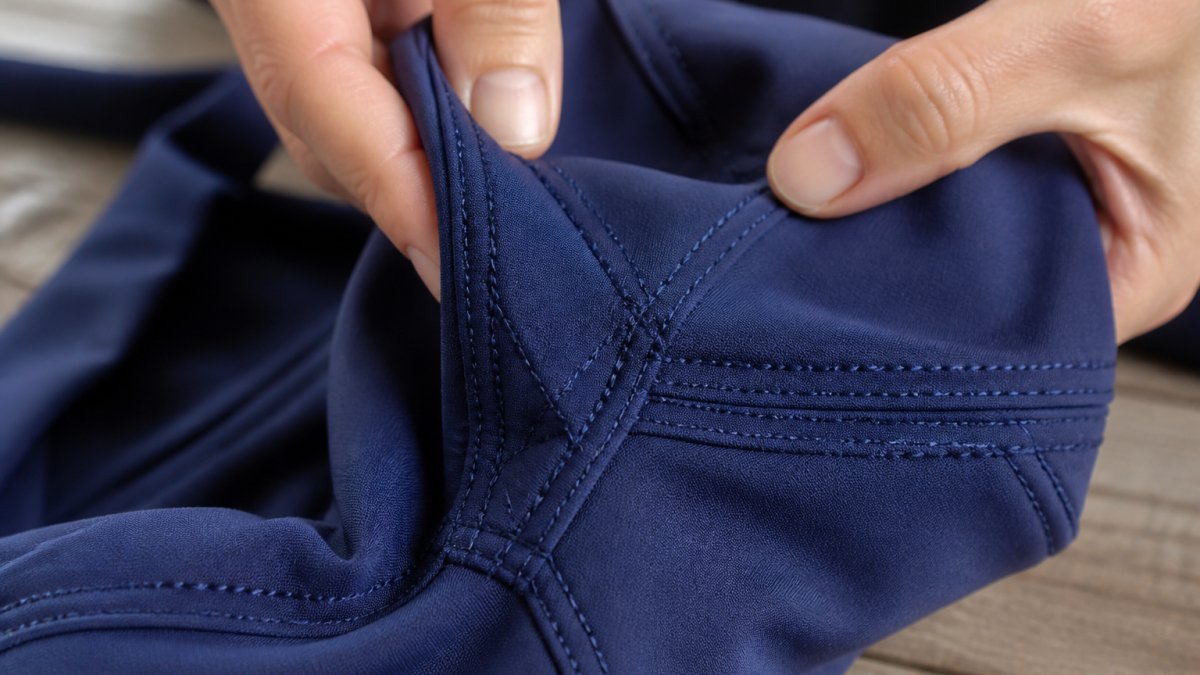
Seam strength and reinforcement techniques
Seams fail first in weak garments. Handmade construction uses reinforced seams stitched multiple times, creating strength that single-pass stitching cannot match.
Look for these reinforcement signs when evaluating quality:
- Double or triple stitching along stress points
- Backstitch reinforcement at seam starts and ends
- Serged or bound seams that prevent fraying
- Seam allowances that are sewn down, not left loose
Handmade versus mass-produced assembly
Mass-produced garments prioritize speed: one-pass seams, minimal closure attachment. Handmade construction uses single makers or small teams who inspect work, reinforce weak points, and ensure secure closures. This costs more in labor but produces garments lasting years instead of seasons.
Best Fabric for Dog Clothes and Long-Term Wear
Fabric choice determines how apparel ages. The best fabrics for dog apparel quality combine durability with comfort through fiber type, weave structure, and proper inspection before purchase.
Fiber types and their durability profiles
Natural fibers and synthetic blends each have distinct wear patterns. Understanding these differences helps you predict how a garment will age.
Cotton and cotton blends are breathable but weaken when wet. A 65% polyester / 35% cotton blend resists pilling better than 100% cotton while maintaining breathability.
Polyester and polyester blends resist moisture, dry quickly, and hold color. Pure polyester can feel less breathable; blends balance durability with comfort.
Wool and wool blends provide insulation and resist odor but require gentle washing. Merino wool is finer and better for sensitive skin. Blends add durability without sacrificing warmth.
Ultrasuede® and microsuede resist staining, maintain color, and withstand abrasion without pilling or fading.
Fleece is soft, warm, and moisture-resistant but can pill over time. Denser fleece pills less than lightweight fleece.
Fabric weight, weave tightness, and abrasion resistance
Weight alone doesn't guarantee durability. A tightly woven lighter fabric outperforms a loosely woven heavy one.
Weave tightness determines abrasion resistance. Inspect before purchase: hold to light (tight weaves block light), feel for density, rub with fingernail (tight weaves resist snagging), and check for gaps between threads.
Fabric weight (oz/yd²) translates to durability: lightweight (under 6) fails quickly; midweight (6-10) adequate for moderate wear; heavyweight (10-14) lasts 2-4 years; extra-heavyweight (14+) lasts 5+ years. For daily wear, choose midweight or heavier with tight weave.
Weather-resistant materials and layering for durability
Layering distributes stress and extends garment life. Outer layer (weather-resistant, tightly woven) sheds water. Middle layer (insulating fleece or wool blend) traps warmth and reduces seam stress. Inner layer (soft cotton blend) keeps dogs comfortable and wicks moisture. This structure lasts longer than single-layer designs.
Bonded fabrics (permanently fused layers) are more durable than layered garments that can separate and create weak points.
How to inspect fabric before purchase
Before purchase, inspect: hold fabric to light, rub with fingernail, check for density and weight, verify fiber content (blends outperform 100% natural fibers), look for even dyeing, check seam finishing, and test pilling resistance. Quality fabric feels solid, resists snagging, and shows even color.
Dog Apparel Quality Checklist for Buyers
Before you buy, know what to look for. A quality checklist helps you identify pieces that will last.
What to inspect before purchase
Feel seams (smooth indicates reinforcement; rough indicates single stitching). Check: double/triple stitching and backstitch reinforcement, secure closures, neat hems, dense fabric, even stitching, and proper fit. Quality pieces feel solid with minimal seam flex.
Fit, comfort, and stress points
Poorly fitting garments stress construction at pressure points (shoulders, underarms, waistline, back seam). Quality handmade apparel reinforces these exact areas. Proper fit distributes stress evenly and extends garment life.
How to Wash Dog Clothes Without Compromising Durability
Washing is the second biggest threat to durability. Wrong cycles, temperatures, or drying methods can halve garment lifespan. Understanding how fabrics fail and matching care to construction extends garment life.
How washing damages dog apparel: Common failure modes
Garment failures during washing follow predictable patterns: high agitation breaks down thread in seams; hot water (above 104°F) weakens fibers and causes shrinkage; hot water fades colors and indicates fiber damage; aggressive washing loosens closures; and friction causes pilling, indicating fiber degradation.
Fabric-specific wash protocols
Different fabrics require different care. Matching wash settings to fabric type prevents damage and extends lifespan.
Cotton and cotton blends: Cold or lukewarm water, gentle cycle, mild pet-safe detergent, air dry only. Cold water preserves fiber strength; gentle cycles prevent seam stress; air drying prevents shrinkage.
Polyester and polyester blends: Cold or lukewarm water, gentle or normal cycle, mild detergent, air dry or low heat.
Wool and wool blends: Cold water only, delicate cycle, wool-specific detergent, air dry flat. Warm water causes shrinkage; agitation causes felting; wool-specific detergent matches wool fiber pH.
Ultrasuede® and microsuede: Cold or lukewarm water, gentle cycle, mild detergent, air dry. Blot spills immediately. These engineered fabrics resist damage but seams need gentle handling.
Fleece: Cold or lukewarm water, gentle cycle, mild detergent, air dry. Agitation and heat increase pilling; air drying preserves fabric surface.
Load size, detergent amount, and pre-wash inspection
Wash in small loads with delicate items, not heavy items. Use half the recommended detergent amount; pet-safe formulas are gentler. Before washing, check for loose seams or buttons, turn garments inside out, close velcro/snaps, and brush away debris.
Drying methods and their impact on durability
Machine drying is the fastest way to damage dog apparel. Heat shrinks fibers, weakens thread, and can melt synthetic materials. Closures (especially plastic snaps) can warp or melt. Fleece pills aggressively in the dryer. Cotton shrinks permanently. Most garment damage from washing actually happens in the dryer, not the washer.
Air drying preserves garment structure:
- Lay garments flat on a clean, dry surface (a towel or drying rack works well).
- Hang garments on a clothesline or hanger if space is limited, but avoid direct sunlight on colored garments (UV fades colors and weakens fibers).
- Ensure good air circulation; a fan speeds drying without adding heat.
- Avoid humid environments; moisture-trapped garments can develop mildew.
- Drying time: Most garments dry completely in 4-8 hours with good air circulation.
Storage after drying prevents damage between wearings:
- Store in a cool, dry place (65-75°F is ideal).
- Avoid plastic bags, which trap moisture and encourage mildew. Use breathable cotton storage bags or open shelves instead.
- Keep garments away from direct sunlight and heat sources.
- Ensure storage area is clean and free of pests.
- Fold garments loosely to avoid permanent creases; hang heavier items to preserve shape.
Wash frequency and realistic care timelines
How often you wash dog apparel affects durability. More frequent washing means more exposure to water, detergent, and mechanical stress.
Daily-wear garments (worn most days) should be washed every 1-2 weeks. Washing more frequently than this accelerates wear; washing less frequently allows dirt and bacteria to accumulate, which can cause odor and skin irritation.
Seasonal or occasional-wear garments (worn a few times per week or less) can be washed monthly or less frequently. These pieces last longer because they're washed less often.
Spot cleaning between washes extends the time between full washes. Blot spills with a damp cloth immediately. For stubborn stains, use a soft brush and mild soap solution, then rinse with clean water.
A quality handmade garment washed every 1-2 weeks with proper technique (cold water, gentle cycle, air dry) can last 3-5 years.
Understanding Dog Coat Lifespan and Repairability
Not every piece lasts forever. But quality handmade apparel can be repaired, extended, and maintained through its useful life. Understanding expected lifespan helps you plan for replacement and repair.
Expected wear timeline for different garment types
Daily wear pieces last 2-3 years with proper care. These are the garments your dog wears regularly. Stress accumulates. Closures loosen. Seams eventually weaken.
Seasonal pieces last longer because they're worn less frequently. A winter coat worn 3-4 months per year can last 5-7 years. Less total wear means longer lifespan.
Formal or occasional wear pieces last the longest. A fancy collar or special occasion outfit worn a few times per year might last 10+ years. Minimal wear preserves the construction.
These timelines assume proper care, appropriate fit, and quality construction. A poorly made piece fails sooner. A well-made piece with excellent care lasts longer.
Repairing seams and closures to extend lifespan
Most garment failures start small. A loose seam. A button that's come undone. A small tear. These repairs, done early, prevent total garment failure.
Common repairs that extend garment life:
- Re-stitching loose seams before they separate completely
- Replacing buttons or snaps before they're lost
- Reinforcing stress points showing early wear
- Patching small tears before they spread
- Tightening closures that have loosened
The cost of repair is usually far less than replacing the garment. A handmade piece worth repairing should be repaired. This keeps quality apparel in your dog's wardrobe longer and represents better value over time.
Why Handmade Apparel Outperforms Mass Production
The handmade advantage isn't just about craftsmanship. It's about how construction choices directly impact durability and value.
Custom fit and pressure point management
Mass-produced garments come in standard sizes. A "small" from one brand might fit differently than a "small" from another. Dogs come in varied shapes. Many fall between sizes or have unusual proportions.
Handmade apparel is built to fit your specific dog. Measurements account for your dog's unique body shape. Stress points are reinforced exactly where your dog moves most. Closures position for your dog's comfort and movement patterns.
This custom approach prevents the pressure-point failures that plague poorly fitted mass-produced pieces. When a garment fits correctly, wear distributes evenly. The construction lasts longer because stress doesn't concentrate in one area.
Material selection and cost per wear
Handmade makers choose materials based on durability, not just cost. Premium fabrics cost more upfront. But they last longer, maintain appearance better, and provide better value over the garment's lifetime.
Cost per wear is the real measure of value. A $50 garment that lasts one season costs $50 per season. A $120 handmade piece that lasts five seasons costs $24 per season. The handmade piece is actually cheaper when you account for longevity.
The investment in better materials directly translates to apparel that lasts years instead of months.
Quality handmade dog apparel represents a different approach to pet fashion. Rather than buying new pieces every season, invest in construction that lasts. Reinforced seams, premium fabrics, custom fit, and proper care create garments that maintain their appearance and function through years of wear.
Frequently Asked Questions
Why does handmade dog apparel last longer than mass-produced clothing?
Handmade dog apparel lasts longer because of superior construction techniques, reinforced seams, and careful fabric selection. Artisans use higher-quality materials and hand-stitch critical stress points, creating garments that withstand repeated wear and washing. Mass-produced items often use weaker thread, fewer stitches per seam, and lower-grade fabrics to reduce costs, leading to faster wear and tear.
What is the best fabric for dog clothes if durability is the priority?
The best fabric for dog clothes combines durability with comfort. Upholstery-grade materials like genuine Ultrasuede offer excellent abrasion resistance and weather protection while remaining soft. Layered fabrics with weather-resistant outer shells and warm inner linings extend garment lifespan by protecting against moisture damage and reducing stress on seams. Heavier fabric weights generally withstand active dogs better than delicate materials.
How should I wash handmade dog clothes to keep them lasting longer?
Wash handmade dog clothes on gentle cycles with cold water and mild detergent. Check care instructions first, as premium fabrics like Ultrasuede may require special handling. Air-dry whenever possible to prevent shrinkage and seam damage from high heat. Store garments flat or on hangers in a cool, dry place. Proper washing extends dog coat lifespan significantly by preventing fabric degradation and seam weakening.
How long should a quality dog coat last with proper care?
A well-constructed handmade dog coat can last 2-3 years or longer with proper care, depending on activity level and washing frequency. Active dogs may see shorter lifespans due to increased wear on stress points like closures and leg seams. Seasonal garments worn occasionally may last 4+ years. Regular inspection for damage, timely repairs, and following care instructions significantly impact dog coat lifespan and prevent minor issues from becoming irreparable.
